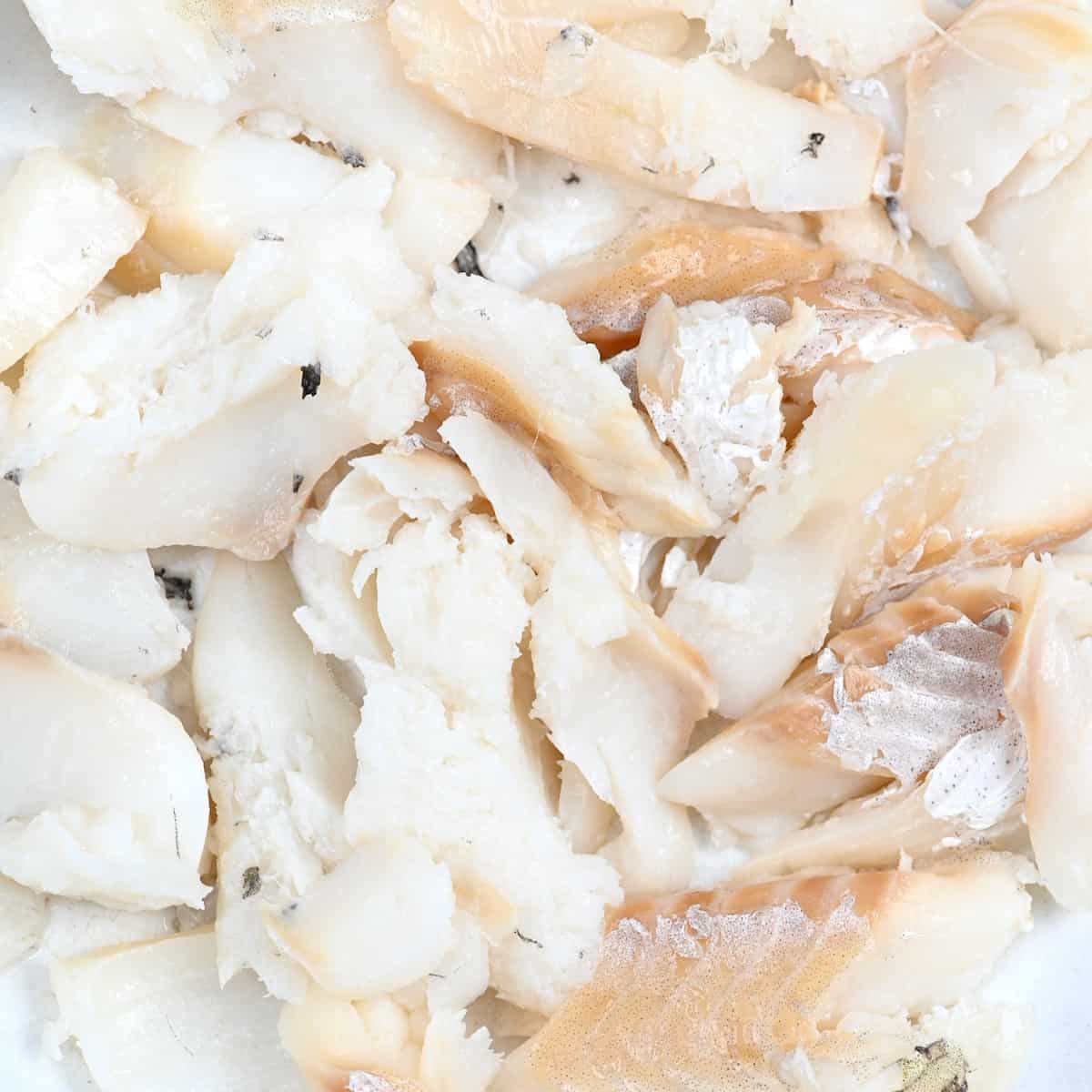
Mastering Salted Cod: Desalt, Cook, & Shred Like a Pro
For centuries, communities across the globe, from the sun-drenched coasts of Portugal to the vibrant markets of the Caribbean, have cherished salted cod. Known as
bacalhau in many cultures, this incredible cured fish offers a unique depth of flavor and a wonderfully firm texture that fresh cod simply can't replicate. Yet, for the uninitiated, the idea of preparing it can seem daunting. The fear of an overly salty dish or a chewy texture often keeps home cooks from exploring its immense potential.
But what if we told you that unlocking the savory delights of salted cod is not only achievable but surprisingly straightforward? This comprehensive guide will demystify the entire process, teaching you
how to desalt and cook salted cod with confidence, leading to a tender, flaky, and perfectly seasoned fish that's ready for any culinary creation. Say goodbye to intimidation and hello to a world of delicious possibilities!
The Enduring Appeal and Benefits of Salted Cod
Salted cod, or salt cod, is more than just a culinary ingredient; it's a testament to ancient preservation techniques. The process of curing cod in salt draws out moisture, preventing spoilage and concentrating its natural flavors. This historical method not only ensured food security but also created a distinct product revered for its unique taste and texture.
Beyond its rich history, salted cod boasts an impressive nutritional profile. It's an excellent source of high-quality protein, low in fat, and packed with beneficial omega-3 fatty acids, making it a healthy and satisfying choice for any meal. Furthermore, it's often more accessible and relatively inexpensive compared to fresh cod in many regions.
Once properly prepared, salted cod develops a mild, savory taste that is surprisingly not overtly fishy or salty, as many might expect. In fact, many argue that its cured state lends it a more appealing texture and complex flavor profile than its fresh counterpart. This nuanced taste makes it incredibly versatile, pairing beautifully with a wide array of ingredients. Imagine it flaked into vibrant salads, simmered in hearty stews, or transformed into crispy fritters. Its ability to complement both delicate and robust flavors makes it a true culinary chameleon, perfect with grains like quinoa, or for adding a Caribbean flair with dishes like coconut bake and spicy eggplant dip.
Step-by-Step Guide to Desalting Salt Cod Like a Pro
The most critical step in preparing salted cod is undoubtedly the desalting process. This rehydration and desalination ensures your final dish is flavorful, not overly salty. Patience is key here, but the steps themselves are quite simple.
1. Initial Preparation and Rinse
Before you even think about soaking, you need to prepare your cod.
- Inspect Your Cod: Quality salt cod often comes with both skin and bones, which can add to the flavor and texture, though they are usually removed before serving.
- Cut into Portions (Optional): If you have a very large piece, it's easier to desalt and manage if you cut it into two or more smaller pieces. Sturdy kitchen scissors or a sharp knife work best for this.
- First Rinse: This initial wash is crucial. Place the cod under cold running water or in a large bowl filled with cold water. Gently rub the fish to remove as much surface salt as possible. You'll literally see grains of salt washing away. You can repeat this rinse 2-3 times until the water runs clearer, though don't worry about removing all the salt at this stage.
2. The Soaking Process: Rehydration is Key
This is where the magic happens, slowly drawing the salt out of the fish.
- Choose Your Container: Opt for a large, non-reactive container made of ceramic, glass, or stainless steel. These materials are resistant to salt and won't impart any off-flavors to your fish.
- Submerge in Cold Water: Place the rinsed cod pieces in the container and cover them completely with fresh, cold water. Ensure there's enough room for the fish to be fully submerged without crowding.
- Refrigerate: Always keep the cod in the refrigerator during the entire soaking process. This prevents bacterial growth and keeps the fish firm.
- Change the Water Frequently: This is the most important part of desalting. You need to change the water every 6-8 hours, or at least 2-3 times a day. Each water change removes dissolved salt, allowing more salt to leach out from the fish. For a truly thorough guide on this crucial step, check out Unlock Flavor: Your Easy Guide to Desalting Salt Cod.
- Soaking Duration: The total desalting time typically ranges from 24 to 48 hours, depending on the thickness of your cod and how heavily it was salted. Thicker pieces may require longer.
- Taste Test for Saltiness: To check if your cod is ready, after about 24 hours, cut a very small piece from the thickest part of the fish. Boil it in fresh water for just one minute, then taste it. If it's still too salty, continue soaking and changing the water for several more hours until it reaches your desired level of saltiness – savory but not overwhelmingly briny. For more troubleshooting, refer to No More Salty Cod: Desalting Tips for Perfect Bacalhau.
3. Removing Skin and Bones (Optional)
You can remove the skin and bones before or after cooking. Many find it easier to remove them after the fish is cooked, as the flesh separates more readily. If you prefer to do it before, gently pull the flesh away from the skin with your fingers, then carefully locate and pull out any pin bones.
Cooking Your Desalted Cod to Perfection
Once your cod is perfectly desalted, the cooking process is quick and simple. The key is gentle heat to keep the fish moist and tender.
1. Gentle Simmering is Best
Avoid aggressive boiling, which can toughen the delicate flesh of the cod. Instead, opt for a gentle simmer.
- Choose Your Liquid: You can simmer the cod in plain cold water, or for an added touch of richness and to further mellow any residual saltiness, use milk. Some chefs even combine water and milk.
- Submerge the Cod: Place the desalted cod fillets into a pot and cover them with your chosen liquid. Ensure the liquid completely covers the fish.
- Slow Heat: Bring the liquid to a very gentle simmer over medium-low heat. Do not let it come to a rolling boil. You're looking for just a few small bubbles breaking the surface.
- Cook Until Flaky: Simmer the cod for approximately 10-15 minutes, depending on the thickness of the fillets. The fish is done when it just begins to flake easily with a fork. It should still be moist and opaque throughout. Overcooking will make it dry and rubbery.
- Resting (Optional but Recommended): Once cooked, remove the pot from the heat and let the cod rest in the hot liquid for another 5 minutes. This helps the fish retain moisture and finish cooking gently.
- Drain: Carefully remove the cooked cod from the liquid using a slotted spoon or spatula. Pat it dry gently with paper towels if you're planning to pan-fry or bake it further.
While simmering is the most common and recommended method for basic preparation, cooked desalted cod can also be baked, grilled, or pan-fried for various recipes after this initial poaching step.
Effortless Shredding for Versatile Dishes
Shredding cooked cod allows it to be incorporated into a multitude of dishes, from classic fish cakes to hearty stews and vibrant salads.
1. Cool Before Shredding
Allow the cooked cod to cool sufficiently so you can handle it comfortably without burning your hands. This also helps the flesh firm up slightly, making it easier to shred.
2. Manual Shredding for Rustic Flakes
For a more rustic texture, ideal for dishes like
bacalhau à brás or simple flaked cod salads, manual shredding is perfect.
- Remove Bones and Skin: If you haven't already, carefully remove any remaining bones and the skin. The skin usually peels off easily after cooking.
- Use Your Fingers or Forks: Gently pull the cod flesh apart with your fingers or use two forks to flake it into desired pieces. You can choose larger, chunkier flakes or finer strands, depending on your recipe.
3. Stand Mixer for Finer Texture (Pro Tip!)
For a very fine, consistent shred, particularly useful for croquettes, fritters, or creamy cod dishes, a stand mixer is a game-changer.
- Place in Mixer Bowl: Once cooled and de-boned/de-skinned, place the cooked cod in the bowl of a stand mixer.
- Use the Paddle Attachment: Attach the paddle attachment.
- Low Speed, Short Bursts: Start the mixer on a low speed (speed 1 or 2) for very short bursts, just enough to gently break apart the fish. It only takes a few seconds. Watch it closely to avoid over-shredding it into a paste.
Practical Tips and Pro Insights
- Buying Quality Cod: When purchasing salted cod, look for thick, uniformly white pieces with a relatively even salt crust. Avoid pieces that look excessively yellow, overly dry, or have soft spots. Cod sold with skin and bones is often considered higher quality.
- Storing Desalted Cod: If you desalt more cod than you need immediately, you can store the desalted raw cod in fresh water in the refrigerator for an extra day, changing the water once more. Cooked and shredded cod can be stored in an airtight container in the fridge for 2-3 days, or frozen for up to 3 months.
- Cold Water Only: Always use cold water for desalting. Warm water can begin to cook the fish and alter its texture.
- Season After Cooking: Remember that after thorough desalting, most of the salt will have been removed. You will need to season your cooked cod with salt, pepper, and other spices according to your recipe.
- Versatility is Key: Once you've mastered the basic desalt, cook, and shred process, the possibilities are endless! Explore classic dishes like Bacalhau à Brás (shredded cod with potatoes and eggs), Puerto Rican Bacalaítos (cod fritters), or simple flaked cod salads with olive oil and herbs.
Conclusion
Preparing salted cod might seem like a project, but it’s a deeply rewarding culinary journey. By understanding the simple science behind desalting and applying gentle cooking techniques, you can transform this preserved staple into a tender, flavorful, and incredibly versatile ingredient. With these steps, you're now equipped to confidently desalt, cook, and shred salted cod like a true professional. So, embrace the tradition, savor the unique taste, and unleash your creativity in the kitchen with this magnificent fish!