Unlock Flavor: Your Easy Guide to Desalting Salt Cod
For centuries, salt cod, known as
bacalhau in Portuguese and Spanish-speaking cultures, has been a staple in kitchens around the world, particularly across Europe and the Caribbean. This incredible cured fish, celebrated for its unique savory taste and firm texture, offers a versatile and nutritious foundation for countless dishes. High in protein, low in fat, and rich in omega-3 fatty acids, it's a remarkably healthy choice. Yet, for many home cooks, the idea of preparing salt cod can feel intimidating, often overshadowed by concerns about its intense saltiness. But fear not! Mastering
how to desalt and cook salted cod is far simpler than you might imagine, opening up a world of culinary possibilities that are both delicious and rewarding. This guide will demystify the process, ensuring you achieve perfectly tender, flavorful fish every time.
Why Salt Cod? Unveiling a Culinary Treasure
Before diving into the preparation, let's appreciate why salt cod holds such a revered place in global cuisine. The preservation method of salting fish dates back millennia, a clever technique that draws out moisture, preventing spoilage and concentrating flavor. While not "fresh" in the conventional sense, this curing process imparts a distinct, mild, and savory taste that many argue surpasses that of fresh cod. It's not overtly fishy or overwhelmingly salty (once properly desalted, of course!). Instead, it develops a depth of flavor and a wonderfully flaky yet resilient texture that pairs beautifully with a vast array of ingredients.
Beyond its unique taste and texture, salt cod boasts impressive nutritional credentials. It's an excellent source of lean protein, essential omega-3 fatty acids, and is relatively low in fat, making it a fantastic addition to a balanced diet. Plus, it's often more affordable than fresh cod, offering a budget-friendly way to enjoy a gourmet experience. Its versatility is truly unparalleled, finding its way into everything from hearty stews and crispy fritters to vibrant salads and comforting rice dishes.
The Essential First Step: Desalting Your Cod
The key to unlocking salt cod's incredible flavor lies in the desalting process. This rehydration phase is crucial for transforming a hard, salt-encrusted fillet into a tender, succulent piece of fish ready for cooking. It requires a bit of patience, but the steps are incredibly straightforward.
Choosing and Preparing Your Cod
When purchasing salt cod, look for quality fillets that typically come with both skin and bones. These often indicate a better cure and can contribute to a richer flavor during cooking. If your fillet is very large, you might find it easier to cut it into 2-3 manageable pieces using kitchen scissors before you begin. This allows for more even desalting.
1.
Initial Rinse: Begin by thoroughly rinsing the cod under cold running water. Place the fish in a large bowl, cover it with fresh cold water, and gently rub the surface to remove any excess salt crystals or loose flakes. Alternatively, you can do this directly under a running tap. Discard this water. Repeat this rinsing process 2-3 times if you notice a significant amount of salt coming off. This initial step helps to remove surface salt and kick-starts the rehydration process.
2.
The Soaking Process: After the initial rinse, place the cod pieces in a large, non-reactive container. Ceramic or glass containers are ideal as they are resistant to salt and won't impart any unwanted flavors to your fish. Completely submerge the cod in fresh, cold water, ensuring there’s ample water to cover the fish by at least an inch or two.
3.
Refrigeration is Key: Cover the container and place it in the refrigerator. It is essential to keep the water cold throughout the desalting process to prevent bacterial growth and maintain the fish's firm texture.
4.
Frequent Water Changes: This is arguably the most crucial step. You need to change the water every few hours – ideally every 4-6 hours, but at a minimum every 8 hours. Discard the old, salty water and replenish with fresh, cold water. Each time you change the water, you are actively drawing out more salt from the fish. The total desalting time can range from 24 to 48 hours, depending on the thickness of your cod. Thicker pieces will require closer to 48 hours, while thinner fillets might be ready in 24-30 hours. For more in-depth advice on this critical stage, check out our guide on
No More Salty Cod: Desalting Tips for Perfect Bacalhau.
5.
Testing for Saltiness: How do you know when it’s ready? After 24 hours, cut a small, thumbnail-sized piece from the thickest part of one of your fillets. Boil it in a small pot of water for about a minute, then let it cool slightly and taste it. If it’s still too salty, continue soaking the fish, changing the water regularly, and retest after another 6-12 hours. The goal is a savory, mild taste, not a bland one.
6.
Optional Skin Removal: Some prefer to remove the skin before cooking. You can do this by carefully pulling the flesh away from the skin with your fingers. However, many chefs and home cooks, myself included, prefer to keep the skin on, as it can add flavor and help hold the fish together during cooking.
Masterful Cooking Techniques for Desalted Cod
Once your salt cod is perfectly desalted and rehydrated, it's ready to be transformed into a culinary masterpiece. The cooking process is designed to further tenderize the fish and prepare it for its final destination, whether that's a stew, salad, or a crispy fritter.
Gentle Simmering and Shredding
The most common and versatile way to cook desalted cod involves a gentle simmer:
1.
Simmering: Place the desalted cod fillets in a pot and cover them with fresh water or milk. Using milk can impart a richer flavor and help create an even more tender texture. Bring the liquid to a gentle simmer – do not boil vigorously, as this can toughen the fish. Cook the cod gently for about 10-15 minutes, or until it just begins to flake easily with a fork. The exact time will depend on the thickness of your fish.
2.
Cooling: Once cooked, remove the cod from the liquid and let it cool slightly. This makes it easier to handle and prevents overcooking. The cooking liquid can be reserved and used as a flavorful stock for sauces or other dishes if you wish.
3.
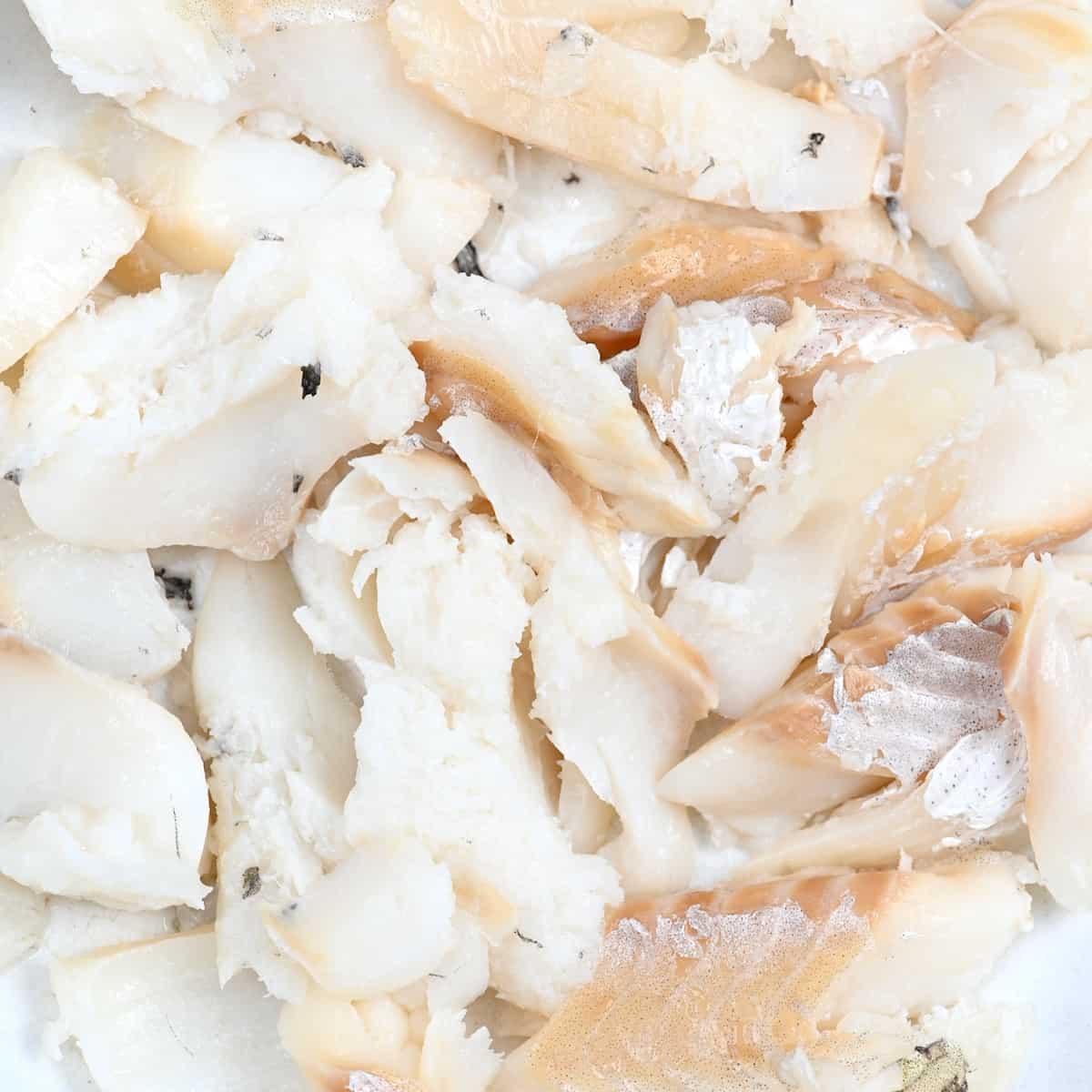
Shredding: Now comes the satisfying part! For a rustic, flaky texture perfect for salads or chunky fritters, you can easily shred the cooked fish by hand. Simply pull the flakes apart, removing any bones and skin (if you chose to leave it on). For a finer texture, ideal for smoother spreads or croquettes, a stand mixer fitted with a paddle attachment can do the job quickly. Place the cooked cod in the mixer bowl and run it on low speed for a minute or two until finely shredded. For a deeper dive into these techniques, explore
Mastering Salted Cod: Desalt, Cook, & Shred Like a Pro.
Culinary Versatility
The beauty of properly desalted and cooked cod lies in its incredible versatility. It's not just an ingredient; it's a canvas for flavor.
*
Salads: Combine flaked cod with fresh vegetables, herbs, olive oil, and a squeeze of lemon for a light yet satisfying meal. Think Mediterranean-inspired bowls or vibrant Caribbean buljol salad.
*
Stews and Soups: It’s a natural fit for hearty stews, lending its savory depth to tomato-based sauces or creamy broths.
*
Fritters: Mixed with potatoes, herbs, and spices, then fried until golden, salt cod fritters (
accras de morue or
bolinhos de bacalhau) are an irresistible appetizer.
*
Rice and Grains: Flaked cod pairs wonderfully with rice, quinoa, or other grains, absorbing their flavors and adding a textual contrast.
*
Caribbean Delights: Experience it with Coconut Bake, or integrate it into a spicy roasted eggplant dip (Baigan Choka/Bharta) for an authentic island flavor.
Troubleshooting and Tips for Success
Even with the clearest instructions, sometimes things don’t go exactly as planned. Here are some common troubleshooting tips for preparing salt cod:
*
Still Too Salty? If, after testing, the cod is still too salty, simply continue the soaking process with regular water changes. Some very thick or densely cured pieces may require up to 72 hours. Patience is your most important tool here.
*
Too Bland? If your cod tastes bland, it might have been over-desalted. Don't worry, this is easier to fix than being too salty! You can simply season the fish during the cooking process with salt, pepper, and other aromatics.
*
Storing Desalted Cod: Once desalted, the cod behaves like fresh fish. You can store it in an airtight container in the refrigerator, covered with fresh water, for up to 24 hours before cooking. If you need to store it longer, it’s best to freeze it cooked and flaked.
*
Don’t Rush: The biggest mistake people make is rushing the desalting process. Allow the fish ample time to rehydrate and release its salt naturally.
*
Feel the Fish: As you soak the cod, you'll notice it gradually softens and plumps up. This is a good indicator that it’s rehydrating properly.
Conclusion
Preparing salt cod is a culinary journey that rewards patience with unparalleled flavor and versatility. By understanding the simple, yet crucial, steps of desalting and gentle cooking, you can transform this ancient preserved fish into a tender, savory, and incredibly satisfying ingredient. From its rich history to its impressive nutritional profile and adaptability in countless recipes, salt cod truly is a treasure worth exploring. So, shed any apprehension, embrace the process, and get ready to unlock a world of delicious possibilities in your kitchen. Your easy guide to
how to desalt and cook salted cod has just opened the door to a new favorite meal.