Unlocking the Magic of Bacalhau: Your Guide to Desalting and Cooking Salted Cod
For centuries, communities across Europe, the Caribbean, and beyond have treasured salted cod, known in many cultures as bacalhau. This incredible cured fish, once a staple for preservation, has evolved into a culinary delicacy revered for its unique flavor and versatility. Despite its long history and widespread popularity, many home cooks are intimidated by the prospect of preparing it, often wondering how to desalt and cook salted cod to perfection. The good news? It’s far simpler than you might imagine, and the rewards are absolutely worth the minimal effort.
Salted cod offers a distinctive taste experience, transforming humble dishes into savory masterpieces. Far from being overtly salty or fishy, the curing process imbues the cod with a mild, savory depth and a wonderfully firm, flaky texture that many argue surpasses that of fresh cod. Beyond its exceptional flavor, bacalhau is a nutritional powerhouse: high in protein, low in fat, and rich in beneficial omega-3 fatty acids, making it an excellent choice for a healthy and satisfying meal. From vibrant salads and hearty stews to crispy fritters, salted cod provides an unparalleled foundation for a world of culinary exploration.
Why Salted Cod? Unveiling Bacalhau's Enduring Appeal
The journey of salted cod begins with a centuries-old preservation technique: drying and curing fish with salt. This method effectively draws out moisture, preventing spoilage and allowing fish to be stored and transported across vast distances without refrigeration. What started as a necessity evolved into a culinary tradition, particularly in countries like Portugal, Spain, and Brazil, where bacalhau holds an almost sacred status in their gastronomical heritage.
Beyond its historical significance, the appeal of salted cod lies in its transformative qualities. While fresh cod is delicious, the salting process fundamentally alters the fish's cellular structure, resulting in a firmer, more resilient flesh that holds up beautifully to various cooking methods. This texture is one of its most celebrated attributes, offering a satisfying bite and a pleasant flakiness once rehydrated and cooked. The flavor, too, undergoes a fascinating evolution, developing a complex, umami-rich character that is savory and pronounced, yet not overwhelmingly "fishy." It's this unique flavor profile that allows bacalhau to pair so harmoniously with a wide array of ingredients, from robust garlic and olive oil to fresh herbs and vibrant vegetables.
Nutritionally, salted cod remains an excellent choice. Even after processing, it retains its high protein content, essential for muscle repair and satiety, and remains a low-fat option. Crucially, it's also a fantastic source of omega-3 fatty acids, vital for heart health and cognitive function. Furthermore, compared to many fresh fish varieties, quality salted cod can be a relatively inexpensive and accessible option, especially when bought in larger pieces, making it a smart choice for budget-conscious cooks seeking high-quality protein.
The Essential First Step: Mastering the Desalting Process
The key to truly delicious salted cod lies in its proper desalting. This crucial rehydration process removes the excess salt used for preservation, transforming the rock-hard, overly salty fish into tender, flavorful fillets ready for cooking. While it requires time, the method itself is remarkably simple. Think of it as a low-effort, high-reward step that makes all the difference.
Initial Preparation and Rinsing
Before you begin soaking, there are a couple of preparatory steps. If you've purchased a very large slab of salted cod, consider cutting it into two or more manageable pieces using kitchen shears. This not only makes handling easier but also ensures more uniform desalting. A quality salted cod will often come with both bones and skin, which many chefs prefer to keep on during the desalting and initial cooking stages for added flavor and moisture retention.
Next, give the fish a thorough initial rinse under cold running water. Gently rub the surfaces to dislodge any loose salt crystals. This quick rinse is vital for removing surface salt that would otherwise dissolve into your soaking water too quickly, hindering the desalting process. You can repeat this rinse 2-3 times if you feel there's a significant amount of visible salt.
The Cold Water Soak: Time and Temperature are Key
The core of desalting is a prolonged soak in fresh, cold water. Place your rinsed cod pieces in a large, clean bowl or an airtight container. Ideally, opt for a ceramic or glass container, as these materials are less likely to absorb or react with salt over time. Completely submerge the cod in fresh, cold water. The general guideline for desalting ranges from 24 to 48 hours, depending on the thickness of your cod and your preferred level of saltiness.
Crucially, you must change the water frequently. For optimal results, aim to change the water every 4-6 hours, or at least every 6-8 hours. Why the frequent changes? It's a matter of osmosis: the salt from the fish diffuses into the surrounding water. If the water isn't changed, the concentration of salt in the water eventually equilibrates with the salt in the fish, stopping the desalting process. Fresh water provides a consistent gradient for the salt to continue drawing out. Always keep the container in the refrigerator during the entire soaking period to prevent spoilage and maintain the cold water temperature, which helps firm the fish flesh.
Chef's Tip for Testing Saltiness: As you approach the end of your soaking time, you can perform a quick taste test. Cut a small sliver from the thickest part of one piece of cod and boil it in a little water for about a minute. Taste it. If it’s still too salty for your liking, continue soaking the remaining fish, changing the water as before, for a few more hours until the desired salt level is achieved. Remember, you want a savory taste, not a bland one!
For an even deeper dive into the desalting process and expert tricks to guarantee perfect results every time, explore our comprehensive guide: Unlock Flavor: Your Easy Guide to Desalting Salt Cod.
From Desalted to Delicious: Cooking Your Salted Cod
Once your salted cod is perfectly desalted, it's ready to be transformed into a culinary delight. The beauty of bacalhau lies in its versatility; it can be poached, baked, fried, grilled, or shredded into various dishes. Here, we'll focus on the most common and versatile preparation method: gentle simmering.
Gentle Simmering for Flaky Perfection
Simmering is the preferred method for cooking desalted cod, as it ensures a moist, flaky texture without overcooking. You have two main options for your simmering liquid:
- Water: For a clean, neutral flavor, simply simmer your cod in fresh water. Place the desalted cod fillets in a pot and cover them with cold water. Bring it to a gentle simmer – do not boil vigorously, as this can toughen the fish. Cook for about 8-15 minutes, depending on the thickness of the fillets, until the fish just begins to flake easily with a fork.
- Milk: For a richer, more tender result, consider simmering your cod in milk. The milk not only adds a delicate creaminess to the fish but can also help to draw out any residual salt and further tenderize the flesh. Again, bring the milk to a gentle simmer, just below boiling, and cook until the cod flakes.
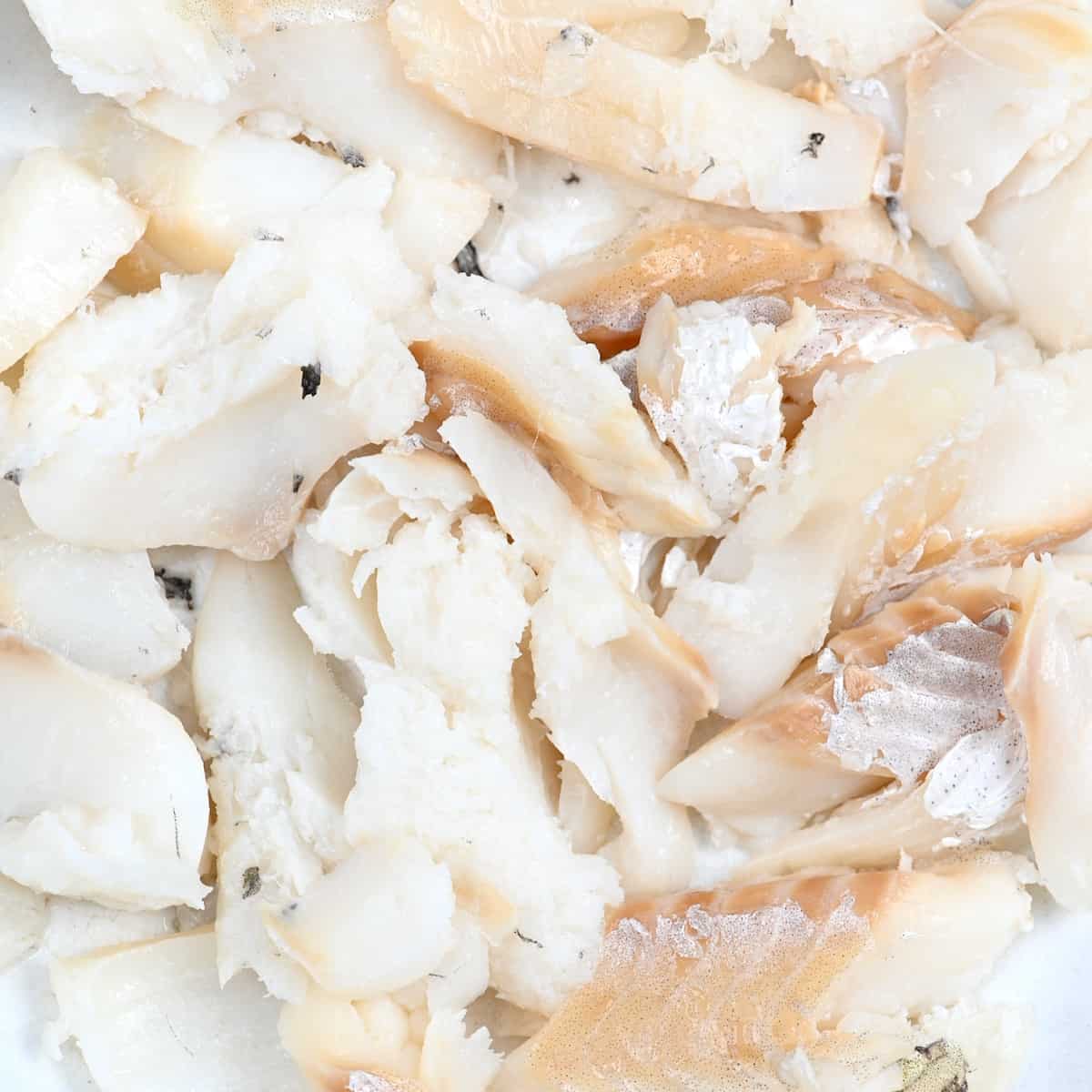
After simmering, carefully remove the cod from the liquid and let it cool slightly. This cooling period is important as it allows the fish to firm up slightly, making it easier to handle and shred.
Skinning and Deboning (Optional)
While some traditional recipes call for leaving the skin and bones on, many prefer to remove them after cooking. Once the cod is cool enough to handle, the skin can often be gently peeled away. The bones, especially larger ones, will also be much easier to remove at this stage. Some people find the skin adds a pleasant texture and flavor when crispy, so this step is entirely up to personal preference.
Shredding for Versatility
Once cooked and cooled, your bacalhau is ready for shredding. This is where its versatility truly shines. You can achieve different textures depending on your desired dish:
- By Hand: For rustic, substantial flakes perfect for stews, salads, or robust main courses, simply use your fingers or two forks to gently pull the cooked cod apart.
- Stand Mixer: If you need a finer, more uniform shred, often desired for fritters (bolinhos de bacalhau), croquettes, or creamier dishes, a stand mixer fitted with the paddle attachment can do the job efficiently. Pulse on low speed for just a few seconds until you reach your desired consistency, being careful not to over-process.
Culinary Applications and Beyond
With your perfectly desalted and cooked cod, the possibilities are endless. Embrace classic Portuguese dishes like bacalhau à brás (shredded cod with onions, potato sticks, and eggs) or bacalhau com natas (cod baked in cream). Explore Caribbean flavors with a vibrant Buljol salad, spicy fritters, or alongside Coconut Bake. It's equally delicious in simpler preparations, tossed with olive oil, garlic, and parsley, or incorporated into healthy grain bowls and refreshing salads. For comprehensive guidance on not just desalting and cooking, but also expert tips on shredding and mastering various salted cod recipes, be sure to read our full guide: Mastering Salted Cod: Desalt, Cook, & Shred Like a Pro.
Conclusion
Embarking on the journey of preparing salted cod, or bacalhau, is a rewarding culinary adventure that opens the door to a world of rich flavors and traditional dishes. By understanding how to desalt and cook salted cod with patience and a few simple techniques, you transform a preserved ingredient into a tender, savory, and incredibly versatile foundation for countless meals. Don't let its humble origins or perceived complexity deter you; the unique taste and texture of perfectly prepared bacalhau are a testament to its enduring appeal and a delicious reward for your efforts. So, grab your cod, start soaking, and get ready to experience the magic of this timeless ingredient!
